Since you are reading this article about the best EMF meters and detectors I assume you already know that we live in a world where we are constantly being exposed to harmful electromagnetic fields (EMFs).
It’s Impossible To Avoid EMFs
Unfortunately in our modern world it isn’t possible to get away from the radiation that is all around it.
Your TV, cell phone, tablet, smart watch, radio, laptop and all the other electric devices that surround you all emit harmful EMFs. Not to mention the radiation that wifi, Bluetooth and electricity all produce.
One of the first steps you can take to protect your family is to invest in a quality EMF meter or detector.

- It's Impossible To Avoid EMFs
- Why An EMF Meter?
- What Is The Best EMF Meter?
- Find Your Perfect EMF Detector
- 1. TriField TF2: Professional-Grade Detection
- 2. Advanced GQ EMF-390 Meter
- 3. EMRSS Cornet ED88T Plus2
- 4. Safe and Sound Pro II RF Meter
- 5. Latnex HF-B3G Meter
- 6. Latnex MG-300 LF
- 7. ERICKHILL: Best Budget-Friendly Option
- Professional-Grade EMF Detectors
- Understanding Electromagnetic Field Measurement
- Frequently Asked Questions
- Taking Control of Your EMF Environment
- References
Why An EMF Meter?
An electromagnetic field meter will help you reduce the levels of radiation in your home by locating exactly what is putting out the highest levels of radiation.
The highest rated EMF meter is the TriField TF2. This meter has all the features most people would need and can detect magnetic, electric and radio frequencies (rf). It’s affordable and really easy to use.
What Is The Best EMF Meter?
With so many detectors and meters on the market it can be overwhelming trying to decide which one to buy.
That’s exactly why I have spent hours researching and testing multiple meters to find the best ones. Before diving into detailed reviews of each product, here’s a quick guide to help you find the right meter for your specific needs.
Find Your Perfect EMF Detector
Use this quick guide to identify which meter best matches your specific needs before diving into detailed reviews.
Best for Beginners: TriField TF2
The TriField TF2 is easy to use with comprehensive detection of all three EMF types (magnetic, electric, RF) in one simple device.
Best for Beginners That Want More Features: GQ EMF-390
The GQ EMF-390 has advanced features including data logging, multiple sensors, and detailed frequency analysis for those who want complete information.
Best for RF Detection: Safe and Sound Pro II
The Safe and Sound Pro II specializes in wireless radiation with exceptional frequency range and audio identification of specific sources.
Best for Budget Option: ERICKHILL EMF Meter
This Erickhill meter is an affordable entry point with rechargeable design and straightforward operation for basic EMF detection needs.
Now let’s examine each meter in detail. I’ve put together this comprehensive list of the top 7 best EMF readers available today.
1. TriField TF2: Professional-Grade Detection
The TriField TF2 is one of the best selling meters on the market and for good reason.
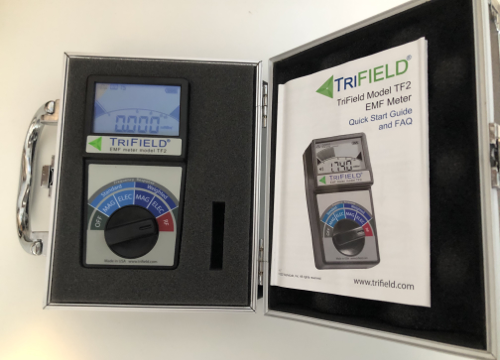
This professional grade meter can detect three kinds of EMF radiation: AC magnetic, AC electric, and RF/microwave. It’s easy to use and it’s a great option for anyone concerned about radio frequency in addition to EMF radiation.
The TriField’s unit detects an impressive range of frequencies for each type of radiation, allowing you to better home in on which devices in your home are putting your family at the most risk.
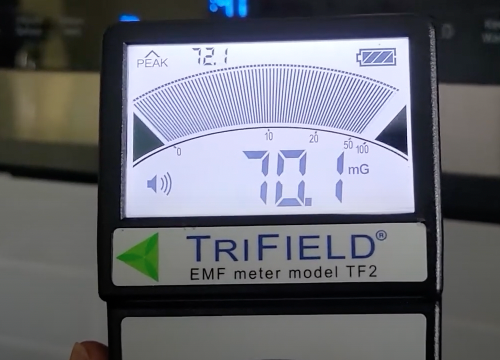
One of my favorite features of the Trifield meter is the fast indicator bar that quickly show the hots spots. You can also adjust the brightness of the screen which can come in handy.
2. Advanced GQ EMF-390 Meter
The GQ EMF-390 digital meter will allow you to easily and quickly detect EMF, ELF, EF, and RF radiation from all electronic devices both indoors and outdoors.

It detects a huge frequency range (EMF 0- 500mG and RF up to 10GHz) and has multiple sensors for highest accuracy and maximum range measurement.
This meter can identify and recognize radiation sources including power lines, cell phones, WIFI, cell towers, microwave, smart meter etc. With a built in audio and visual alarm and all-in-one display to see readings from all sensors at the same time.

Here are some of the features:
- High sensitivity sensors
- Ultra-fast readings
- Advanced functions
- Portable and convenient
- Built-in memory for data logging
- Safety Suggestions to understand your readings immediately
This meter has one of the best sets of capabilities in its class.
3. EMRSS Cornet ED88T Plus2
The Cornet ED88T Plus2 by EMR Shielding Solutions is a broadband Tri-mode instrument, that measures a wide range of frequencies from 100MHz to 8GHz. This includes (LF)low frequency magnetic fields, (ELF) low frequency electric fields, and RF frequencies.
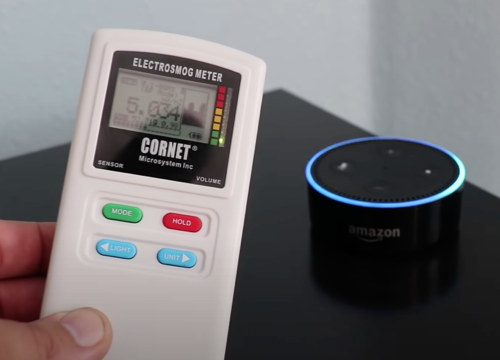
This means it will assess electromagnetic radiation from your cell phone, WiFi, power lines, transformers, towers, microwave leakage, electronics, appliances, telecommunications, etc. It also detects spy cameras and wireless bugs.
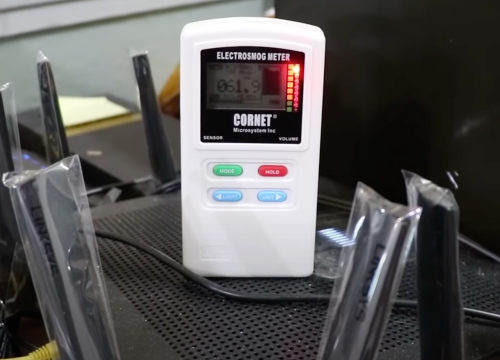
This instrument uses a Histogram and level display, has sound signature analysis, and connects to your PC for easier data tracking and logging. It also stores 1000 readings automatically and measures in time intervals so you can record bursts.
4. Safe and Sound Pro II RF Meter
The Safe and Sound Pro II is a professional-grade RF detector that combines accuracy, ease of use, and comprehensive frequency coverage in a compact, USA-made package.
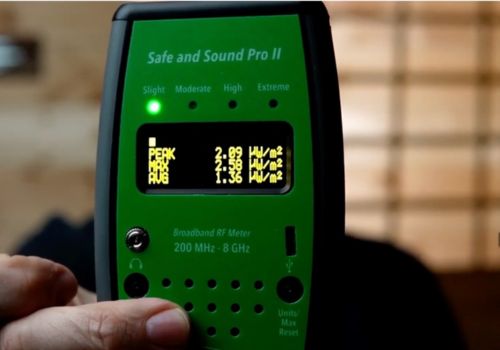
What truly sets this meter apart is its exceptional frequency range from 200 MHz to 8 GHz, allowing it to detect virtually all modern wireless technologies including 5G, 4G/LTE, cell towers, WiFi (both 2.4 and 5 GHz), smart meters, and Bluetooth devices.
The meter features both a numeric display showing peak and average power density measurements (in μW/m²) and a 5-color LED system for instant visual feedback. I particularly appreciate the audio dimension – the built-in speaker produces distinctive sounds for different wireless technologies, allowing you to identify specific radiation sources even without looking at the display.
Key features include:
- Peak and Average Readings simultaneously displayed
- Audio Feedback with different sounds for different signals
- Sound Signature Analysis to identify specific wireless technologies
- Ultra-Sensitive Detection for even weak signals
- Superior Battery Life (up to 20 hours on a single 9V)
- Made in USA with 3-Year Warranty
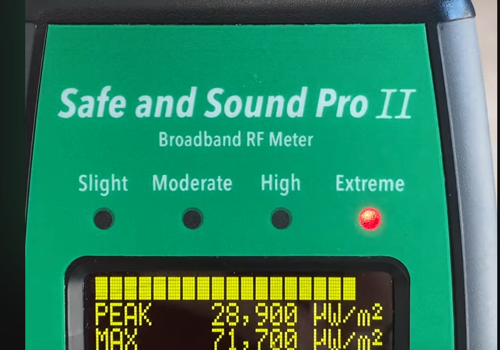
While it doesn’t measure ELF fields from power lines or electrical wiring, it excels at comprehensive RF detection across all current wireless frequencies. For those serious about detecting and reducing RF exposure, the Safe and Sound Pro II offers professional-grade capabilities in a user-friendly package that justifies its higher price point.
If you are looking to measure electrical fields with high frequencies RF waves I recommend you check out the LATNEX AF-3500 or AF-5000 that measures high frequencies too.
5. Latnex HF-B3G Meter
Latnex earns a second spot on this list with the HF-B3G. The HF-B3G meter is a solid, high end detector worthy of consideration.
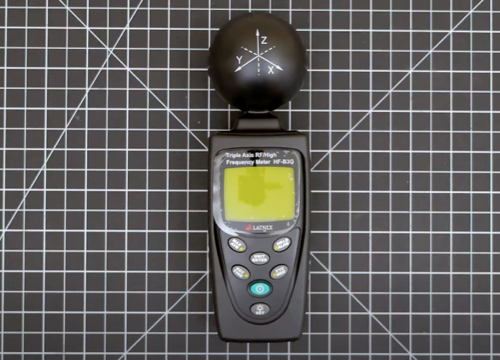
The LATNEX HF-B3G is ideal for anyone looking to measure radiation from cell phone towers, smart meters, microwaves, Bluetooth, cell phones, WIFI modems and more.
Here are some of the features:
- Beginner and advanced operation modes
- Alarm/buzzer function
- Tri-axial sensors
- Data memory storage
- Battery life approximately 15 hours
- Digital clock
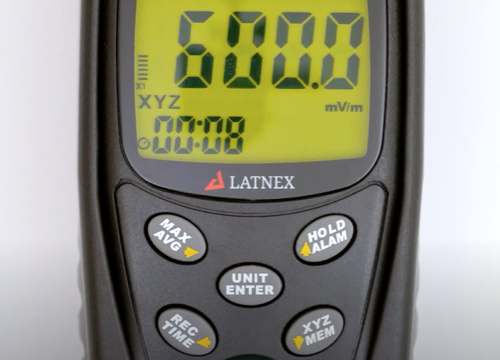
Capable of detecting frequencies in the 50MHz to 3.5GHz range, this device is ideal for detecting frequencies from a wide variety of devices, including wireless bugs and spy cameras. This meter comes with an aluminum case.
6. Latnex MG-300 LF
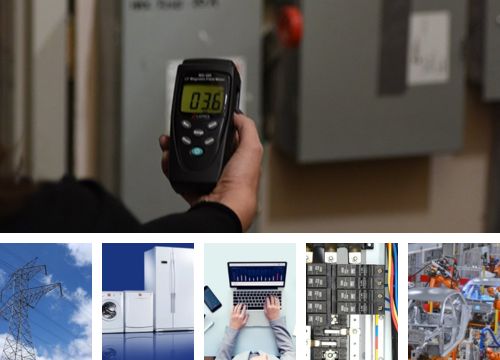
The Latnex’s MG 300 has many of the standard features you would expect. With a detectable low frequency range of 30Hz to 300 Hz, this meter can detect frequencies from high power lines, air conditioning units, refrigerators, appliances, computer monitors, audio and video devices and more.
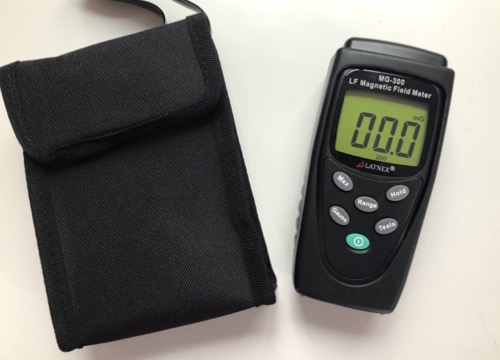
This meter is commonly used for EMF home inspections, measures 130(L)*56(W)*38(H)mm, weighs about 170g and is reasonably priced.
Here are some of the features I like:
- Easy to use
- Single axis sensor
- Data/max hold function
- Long battery life (approx 100 hours)
- Measure in μT and mG
- Comes with a black protection boot and carrying case
What I Don’t Like
This meter does not measure radio frequencies but it’s not suppose to. This the first meter I bought but I wanted to measure router and cell phone RF frequencies and didn’t realize it doesn’t do that. Great meter though I still use it. So if you are looking to measure things like your cell phone this meter isn’t for you.
7. ERICKHILL: Best Budget-Friendly Option
The ERICKHILL EMF Meter offers an excellent budget-friendly option for anyone looking to begin testing EMF levels without a major investment. This detector focuses on measuring low-frequency electromagnetic fields from household appliances, power lines, and electrical wiring.
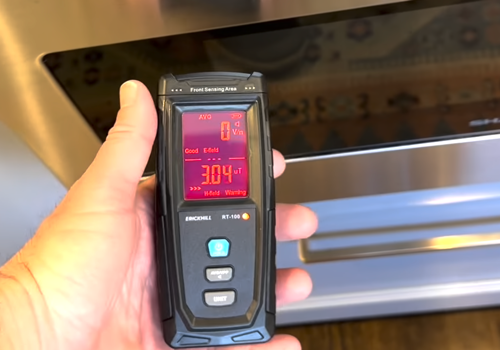
What makes this meter stand out is its rechargeable design with a built-in 1200mAh battery providing up to 8 hours of continuous use. The meter measures in both μT and mG with a detection range of 0-200μT / 0-2000mG, impressive for its price point. Its large LCD screen with a five-level LED indicator system makes identifying dangerous radiation levels easy at a glance.
Here are some standout features:
- Sound & Light Alarm: Automatically alerts you when readings exceed safe values
- Data Hold Function: Freezes readings for easier recording
- One-Hand Operation: Compact size (5.59 × 2.2 × 1.18 inches) for comfortable single-handed use
- Quick Response Time: Less than 2 seconds to provide accurate readings
- USB Rechargeable: Includes USB cable for convenient charging
- Auto Power Off: Conserves battery when not in use
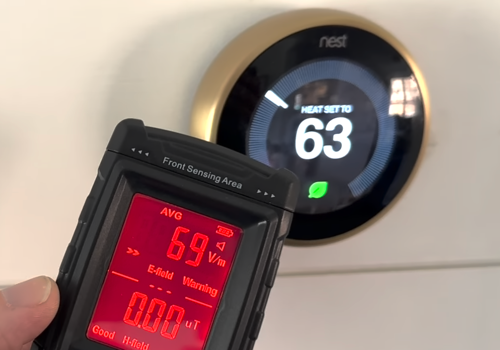
While this meter doesn’t measure high-frequency radio frequencies (RF) from cell phones and WiFi, it’s perfect for identifying EMF hotspots from household appliances, electrical panels, and wiring issues. This ERICKHILL meter provides an excellent entry point into EMF detection with straightforward operation and reliable performance at a budget-friendly price.
Professional-Grade EMF Detectors
While the meters reviewed above are excellent for home use and general EMF detection, professional EMF consultants, researchers, and industrial users often require more specialized equipment. Professional-grade meters like the Safe and Sound Pro mmWave Meter ($1,799) offer extremely precise measurements at extended frequency ranges (24-40 GHz) that specifically target the highest 5G mmWave bands.
These advanced instruments provide laboratory-grade accuracy and specialized features, but come with a significantly higher price tag and steeper learning curve. For most homeowners and concerned individuals, the meters listed above will provide all the functionality needed at a fraction of the cost.
Understanding Electromagnetic Field Measurement
Now that you’ve seen the top EMF meters available, let’s explore how these devices actually work and what their readings mean. Understanding these basics will help you get the most value from whichever meter you choose to purchase.
How Much Do They Cost?
The price range for an EMF meter for personal use is anywhere from $20 to $210. The cheaper ones aren’t as accurate and don’t measure the different types and ranges of frequencies.
How Do Electromagnetic Field Meters Work?
EMF meters work by detecting the electromagnetic fields (EMF) that are emitted by electronic devices and appliances. The strength of the EMF is typically measured in milligauss (mG) or microtesla (µT).
EMF meters usually have a display that shows the strength of the EMF in real-time, and some models also have an audible tone that increases in pitch as the EMF strength increases.
How to Interpret EMF Readings
When using your EMF meter, you’ll see various types of readings depending on your specific model. Most meters provide either visual indicators, numerical displays, or both to help you understand exposure levels.
Many meters use colored lights (green, yellow, red) or a meter display to show radiation intensity at a glance. Digital models typically display numerical readings in specific units like milligauss (mG) or microtesla (μT) for magnetic fields.
Lower readings indicate safer conditions, with the ideal situation being minimal or no detectable radiation from a device. The specific numbers will depend on the scale your meter uses and the type of radiation being measured. For a detailed explanation of what different readings mean and when to be concerned, see our detailed breakdown of EMF meter readings.
Common household devices will show varying readings when tested:
- WiFi routers almost always register significant readings without protective measures
- Computers, laptops, cellphones, and smart TVs will all register on your detector
- Electrical panels and power lines often show stronger readings than expected
For most consumer-grade meters measuring magnetic fields (based on Building Biology guidelines):
- Readings between .4-1.0 mG are common and generally considered acceptable
- Readings above 1.0 mG are considered high
- Anything above 1.5-2.0 mG may be concerning for long-term health
- Some EMF-sensitive individuals may experience symptoms even at lower readings
A good EMF detector helps you identify radiation sources in your home, allowing you to make informed decisions about placement and usage of electronic devices. No matter your budget, there’s a meter available that can provide valuable information for creating a healthier living environment.
Frequently Asked Questions
Understanding the basics about EMF meters can help you make better decisions about which one to purchase and how to use it effectively. Here are answers to the most common questions I receive from readers.
What’s the difference between magnetic, electric, and radio frequency (RF) measurements?
Magnetic fields are produced by electrical current flow and measured in milligauss (mG) or microtesla (μT). Electric fields are created by voltage and measured in volts per meter (V/m). Radio frequency radiation comes from wireless technologies like WiFi and cell phones, measured in microwatts per square meter (μW/m²).
For a detailed breakdown of how these three types differ and what each means for your home, read our explanation of magnetic, electric, and RF measurements. A comprehensive EMF assessment requires measuring all three types.
How accurate are consumer-grade EMF meters?
Most consumer-grade meters offer sufficient accuracy for home use. Professional models provide greater precision but at significantly higher cost.
For more information on meter accuracy at different price points, read our article on consumer-grade EMF meter accuracy. The meters recommended in this article strike a good balance between accuracy, functionality, and affordability for most households
How often should I measure EMF levels in my home?
I recommend taking baseline measurements when you first purchase your meter, then again whenever you add new electronic devices, rearrange furniture, or make electrical modifications to your home. Annual checks are also beneficial as external sources like cell towers may change over time.
Also measure if you experience unexplained headaches or sleep issues, as this may indicate a new EMF source
Will these meters measure 5G frequencies?
Most mid-range and higher-end meters (like the TriField TF2, GQ EMF-390, and Safe and Sound Pro II) can detect standard 5G frequencies up to 8 GHz. However, specialized equipment is required for the highest mmWave 5G bands (24-40 GHz), which are currently less common in residential areas.
What EMF levels are considered safe?
While there’s debate about safe thresholds, readings below 0.5 mG for magnetic fields, 10 V/m for electric fields, and 100 μW/m² for RF radiation are generally considered low exposure. Building biologists often recommend keeping levels as low as reasonably achievable, especially in sleeping areas where we spend approximately one-third of our lives.
Can EMF meters detect radiation through walls?
EMF meters can detect fields through walls, though the readings may be somewhat attenuated. This can be useful for identifying external sources like neighbor’s WiFi or nearby power lines.
For more details on how different EMF types penetrate building materials, read our article on detecting EMF through walls. For the most accurate readings, measure in the spaces where you spend the most time
Can I use my phone to detect EMF?
Smartphone apps have significant limitations and aren’t reliable for accurate EMF readings. Most phones can only detect magnetic fields using their compass sensor, and those readings are often inconsistent. Phones cannot measure electric fields or radio frequencies at all. Learn more about why phone apps can’t detect EMF properly. For meaningful assessment of your home’s EMF levels, you need a dedicated meter.
How do I test my home for EMF?
Start by testing areas where you spend the most time, especially bedrooms. Test your electrical panel, major appliances (microwave, refrigerator), WiFi router, and smart meter. Hold the meter at body height and move slowly, noting where readings spike. Focus on spots within 3 feet of beds, desks, and seating areas where you spend extended time.
What appliances are high in EMF?
The highest EMF sources include microwave ovens (when operating), WiFi routers, electrical panels, smart meters, induction cooktops, electric blankets, hair dryers, and baby monitors. Refrigerators and desktop computers also emit measurable fields. The intensity varies significantly by distance and whether the device is actively operating.
Do I need a tri-axis or single-axis EMF meter?
For most home users, tri-axis meters are better because they measure from all directions simultaneously, giving accurate readings regardless of how you hold the device. Single-axis meters require rotating to find maximum readings, which is time-consuming and requires more skill. Choose tri-axis unless you need professional-level directional tracking.
Taking Control of Your EMF Environment
The invisible nature of electromagnetic radiation makes it easy to ignore, but with the right tools, you can take meaningful steps to reduce your family’s exposure.
An EMF meter is more than just a measuring device—it’s an educational tool that empowers you to make informed decisions about your living space.
By identifying the strongest radiation sources in your home, you can implement targeted solutions like strategic device placement, shielding products, and creating low-EMF zones for sleep and relaxation.
While we can’t eliminate EMF exposure entirely in our connected world, we can significantly reduce it.
Start with the highest-emitting devices, establish healthy usage habits, and create EMF-free sanctuaries in your home.
The peace of mind that comes from understanding and managing your electromagnetic environment is well worth the investment in a quality EMF meter.